Drive Custom Intelligence: Google Extends Personalized Gemini AI Into Connected Vehicle Dashboards
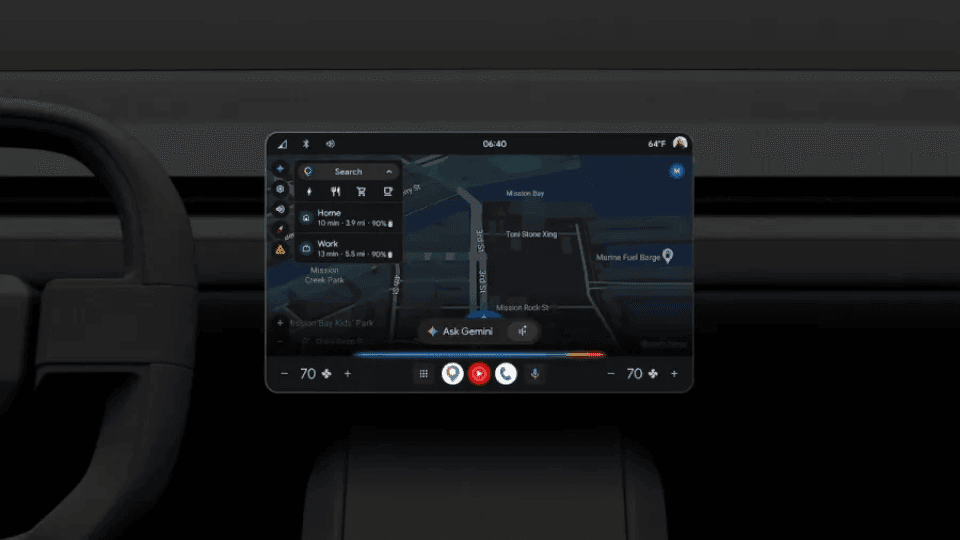
Google rolled out significant upgrades to its Gemini in-car assistant, introducing personalized intelligence features across millions of connected vehicles, trucks, and SUVs. The system pulls data directly from connected Google services like Gmail, Google Calendar, YouTube, Google Maps, and Search history to tailor real-time responses to driver preferences, daily schedules, and past habits.
The new Personal Intelligence with Gemini features deploy across connected cars via two main software channels. Drivers using Android Auto can run the personalized features wirelessly from their connected smartphone, streaming navigation, media control, and messaging directly onto the vehicle dashboard screen. Meanwhile, vehicles running Google Built-in can access personalized intelligence features directly through native, factory-installed infotainment hardware. Personal Intelligence launches first on Android Auto before expanding to cars equipped with Google Built-in over the coming months.
Google first introduced basic Gemini assistant controls to Android Auto last year before launching Personal Intelligence testing across US mobile users in March. The latest vehicle update connects user data streams across mobile devices, desktop accounts, and vehicle displays, creating a single continuous assistant framework. Connecting separate Google services allows the assistant to handle complex, multi-step driver requests using everyday conversational language.
To use Personal Intelligence, drivers must manually opt in through account settings, giving users direct control over shared data streams. Once enabled, Gemini cross-references schedule details with live road conditions. For example, if a driver sets navigation to the airport, Gemini can automatically cross-reference Google Calendar flight details, track real-time flight delays, and update the driving route without requiring manual search queries. Drivers can also ask follow-up questions about gate changes or departure times, receiving immediate answers directly through vehicle speakers.
While deep cross-app integration improves daily convenience, syncing personal email and calendar data to vehicle dashboards raises privacy concerns for some drivers. Google emphasized that drivers maintain full ownership and control over their private data. Users can toggle Personal Intelligence on or off at any time, or selectively restrict specific apps like Gmail or Search history from sharing data with the car’s assistant.
Bringing personalized artificial intelligence into connected dashboards represents a major step in automotive software design. Modern vehicles are shifting from static transportation tools into active digital hubs that anticipate driver needs. By integrating personal schedules, real-time navigation, and conversational controls directly into the driving experience, Google aims to make everyday travel safer, smoother, and more efficient.