













































































Predictive Personalization 2025

The healthcare landscape is undergoing a monumental shift. Patients, now more informed and empowered than ever, expect personalized, seamless, and proactive care experiences. In an industry grappling with data overload, administrative burdens, and the constant demand for improved outcomes, Artificial Intelligence emerges as a transformative force. To truly leverage AI in healthcare for customer success, organizations must strategically deploy these tools to enhance every step of the patient journey, moving beyond episodic treatment to holistic, continuous care.
Personalized Health Pathways and Treatment Plans
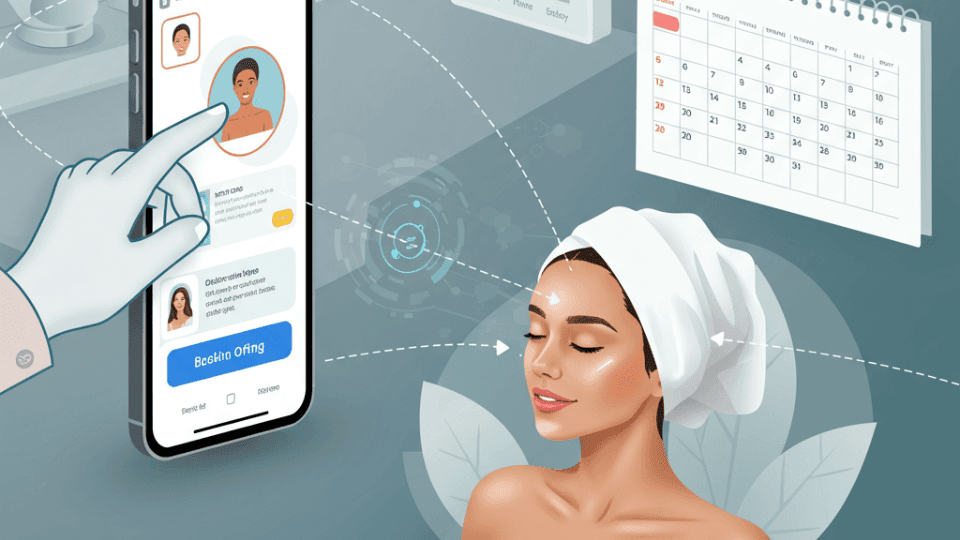
One size no longer fits all in healthcare. AI enables a profound level of personalization, moving beyond generic protocols to create health pathways and treatment plans tailored to each individual. By analyzing vast datasets—including genetic information, electronic health records, lifestyle factors, and real-time biometric data—AI can identify unique risk factors, predict disease progression, and recommend the most effective interventions.
Imagine a patient receiving a personalized nutrition plan based on their microbiome data, or a cancer treatment regimen fine-tuned to their specific tumor genetics, predicted to minimize side effects. This precision medicine, driven by AI, leads to better clinical outcomes, higher patient satisfaction, and a stronger sense of partnership between patients and providers. When care feels uniquely designed for them, patients are more engaged and successful in their health journeys.
Predictive Health and Proactive Interventions
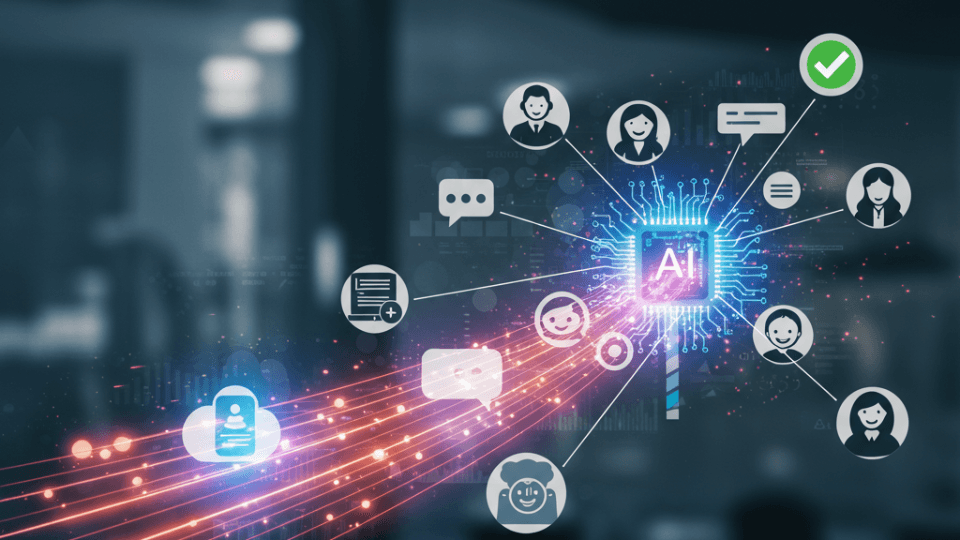
The greatest impact AI has on customer success in healthcare often comes from its predictive capabilities. AI algorithms can analyze historical and real-time health data to identify early warning signs of illness, predict the likelihood of chronic disease exacerbations, or even forecast the risk of hospital readmissions. This shifts healthcare from a reactive model—treating illness after it occurs—to a proactive one, preventing problems before they fully manifest.
For instance, AI can alert clinicians to subtle changes in a patient’s remote monitoring data, indicating a potential cardiac event days before symptoms become severe. This allows for timely intervention, often preventing hospitalizations and improving long-term health. By enabling proactive care, AI not only improves patient health outcomes but also reduces costs for both patients and healthcare systems, a clear win for customer success.
Key Predictive Applications in Healthcare
- Disease Risk Assessment: Identify individuals at high risk for certain conditions.
- Clinical Deterioration Alerts: Flag patients whose condition might worsen.
- Treatment Adherence Prediction: Predict who might struggle with medication or follow-up.
Streamlined Access and Enhanced Patient Engagement
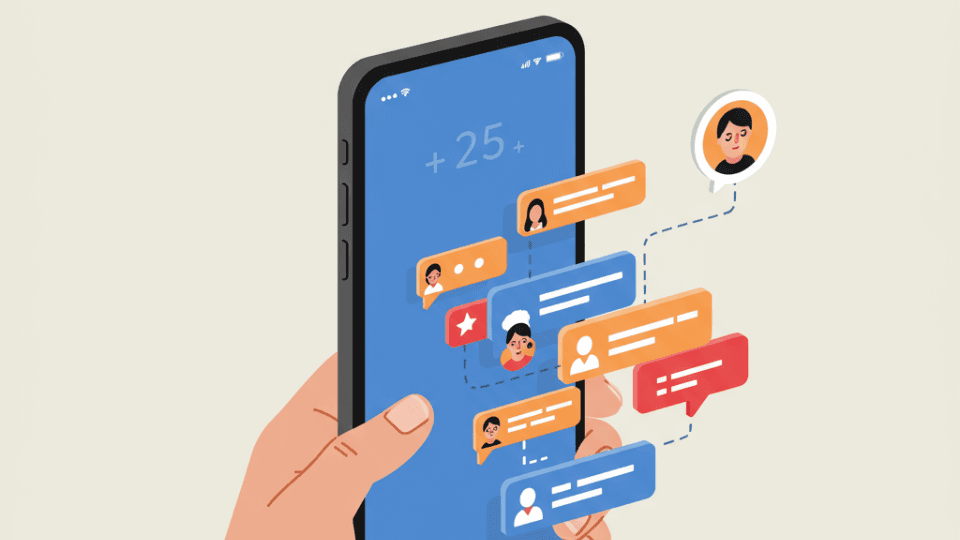
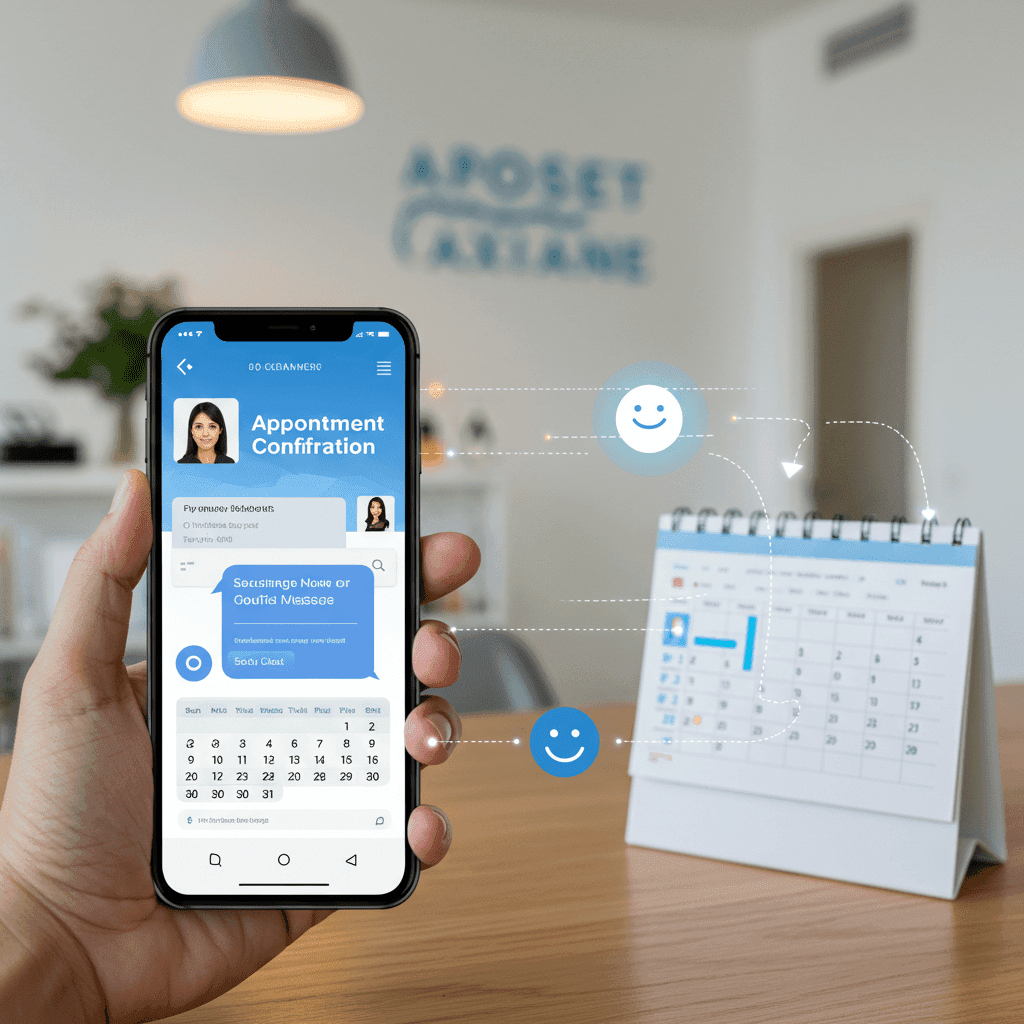
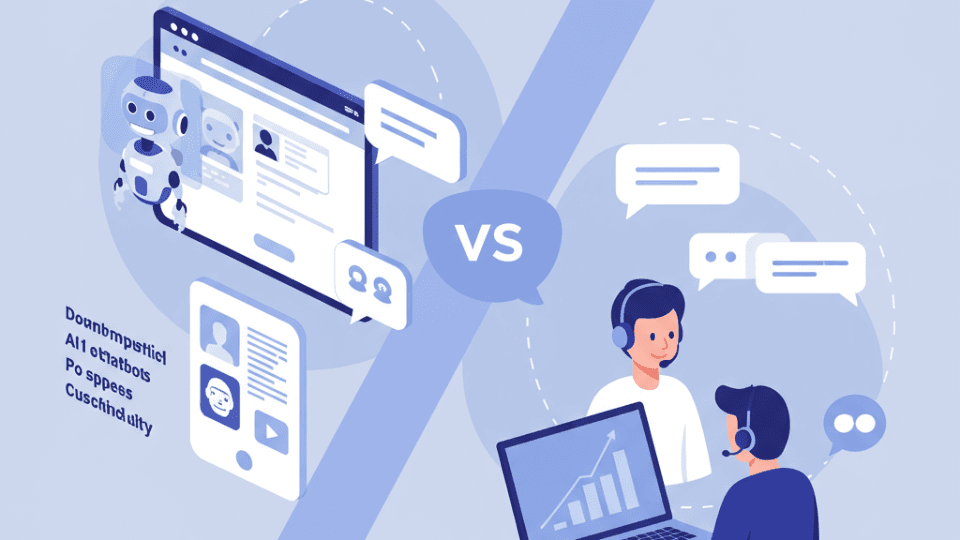
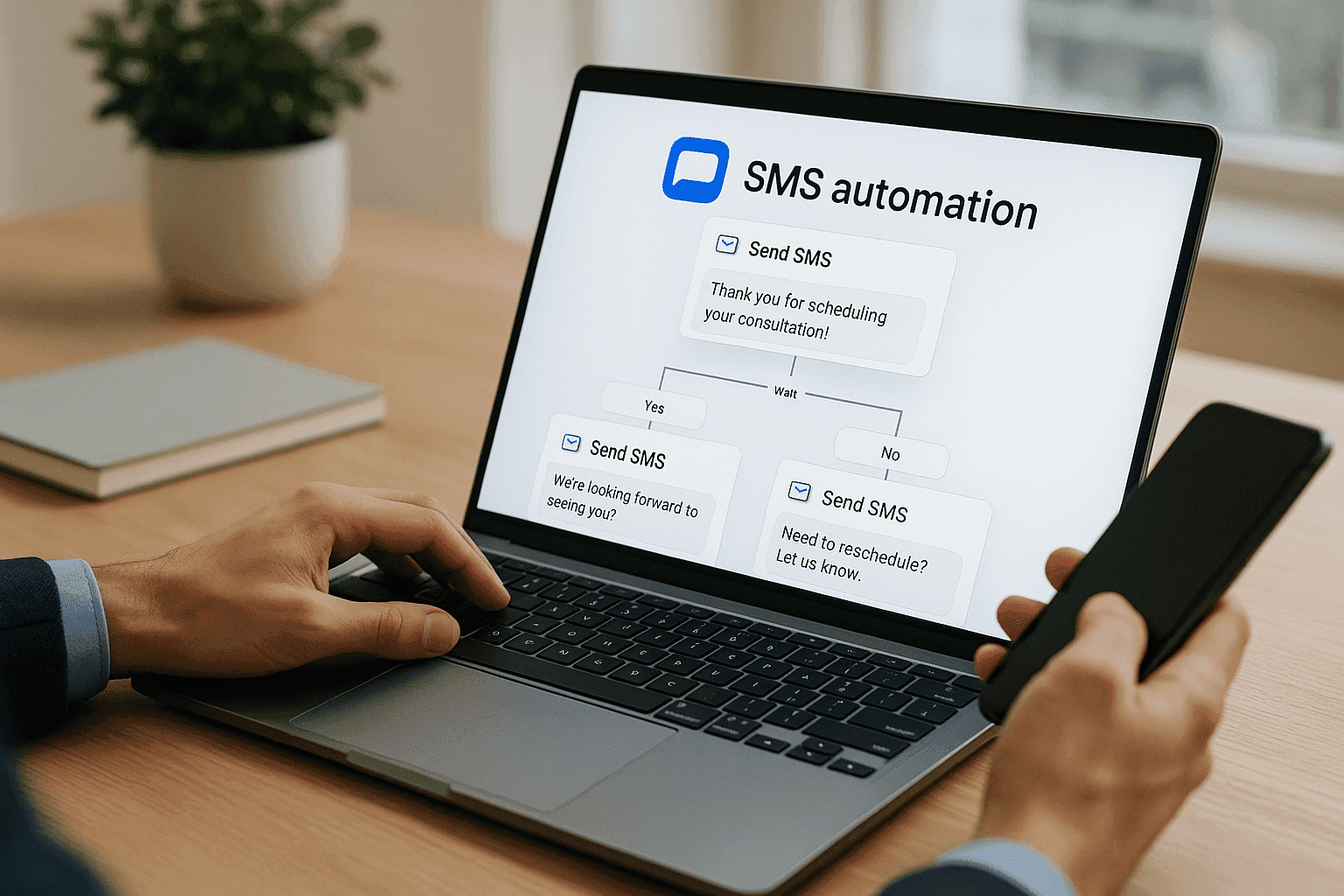
Navigating the healthcare system can be confusing and frustrating. AI simplifies access and significantly enhances patient engagement. AI-powered virtual assistants and chatbots can provide immediate answers to common questions, assist with appointment scheduling, and guide patients through pre-visit registrations. This reduces administrative burden on staff and provides patients with instant, convenient support 24/7.
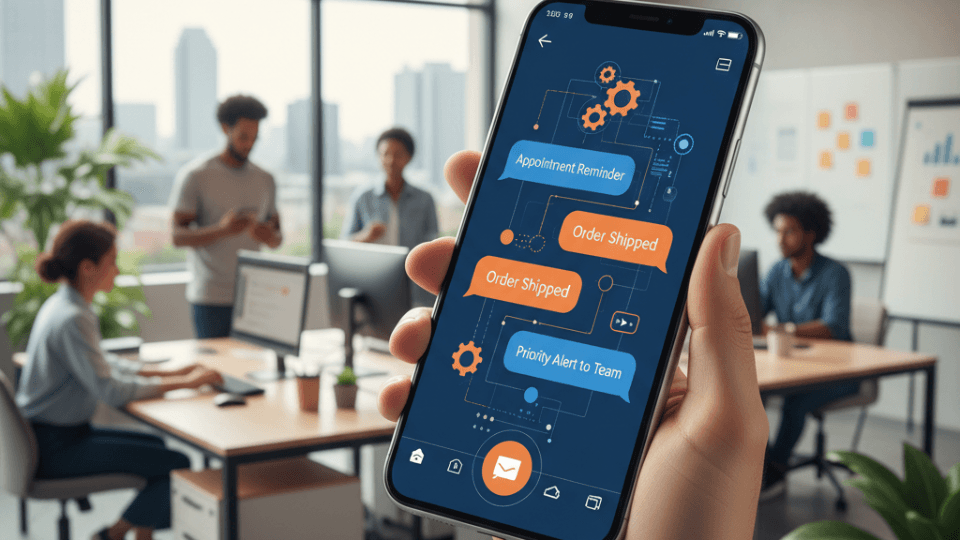
Furthermore, AI-driven platforms can deliver personalized educational content, medication reminders, and follow-up instructions directly to patients’ devices. This keeps patients informed and active participants in their own care. Technologies like AI-powered symptom checkers can also help patients determine the appropriate level of care they need, preventing unnecessary urgent care visits and empowering self-management. Improved accessibility and engagement are direct drivers of patient satisfaction and loyalty.
Operational Efficiency for Better Care Delivery
While AI directly impacts patient care, its ability to streamline operational processes indirectly but powerfully contributes to customer success. By automating administrative tasks, optimizing resource allocation, and improving workflow efficiency, AI frees up healthcare professionals to spend more time on direct patient interaction.
AI can manage appointment scheduling to minimize wait times, optimize staff rostering based on patient demand, and streamline insurance claims processing. This reduces operational costs and improves the overall patient experience by making appointments easier to book, visits more efficient, and billing processes more transparent. When the system runs smoothly, patients feel the positive impact through more attentive care and less administrative hassle.
Ensuring Ethical AI and Data Security for Trust
In healthcare, trust is paramount. Leveraging AI for customer success absolutely depends on ensuring ethical practices and robust data security. The handling of highly sensitive patient information requires strict adherence to privacy regulations (like HIPAA and GDPR) and transparent AI methodologies.
Healthcare organizations must implement AI solutions that are fair, unbiased, and explainable, meaning the reasoning behind AI recommendations is clear and auditable. Strong cybersecurity measures are essential to protect patient data from breaches. By prioritizing ethical AI development and transparent data practices, healthcare providers can build and maintain the deep trust necessary for patients to embrace AI-enhanced care, ultimately fostering greater customer success and loyalty.
AI is rapidly reshaping healthcare, offering unprecedented opportunities to enhance customer success. By implementing personalized care pathways, leveraging predictive health insights, streamlining access and engagement, optimizing operations, and upholding the highest ethical and security standards, healthcare organizations can deliver truly transformative patient experiences. This approach not only improves health outcomes but also cultivates enduring relationships. What aspect of your healthcare journey do you believe AI could enhance most to improve your personal success?