Bulletproof Chatting: OpenAI and Yubico Join Forces to Lock Down ChatGPT
OpenAI is finally getting serious about keeping your conversations private. On Thursday, the company launched a new program called Advanced Account Security (AAS). This is a set of optional protections designed for people who handle sensitive data and cannot afford to have their accounts hacked. Whether you are a business leader, a journalist, or just someone who values privacy, this update is for you.
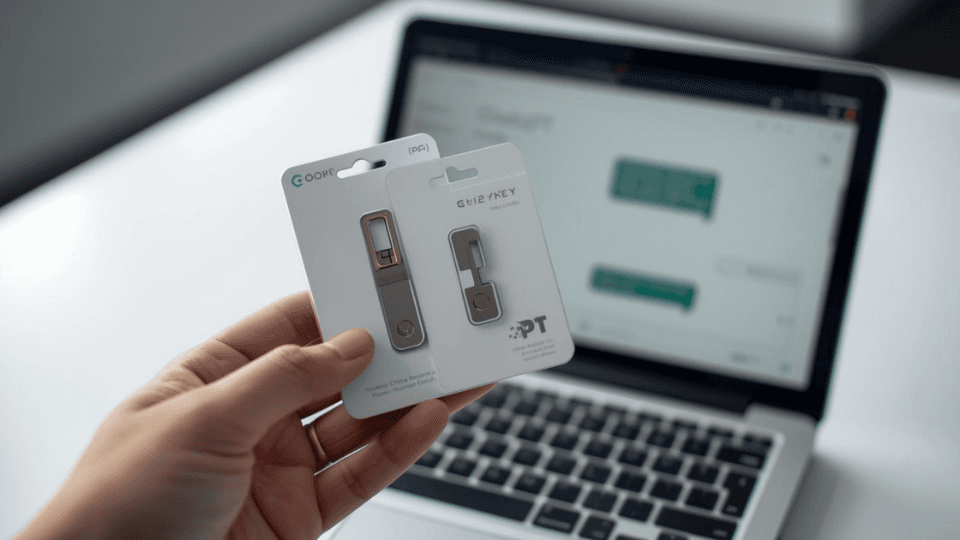
As part of this push, OpenAI teamed up with Yubico, the leaders in physical security keys. Together, they are releasing two special security keys: the YubiKey C NFC and the YubiKey C Nano. These small pieces of hardware act like a physical lock for your digital life. Instead of just relying on a password that can be stolen or guessed, you now need to have this physical key plugged into your device to get into your account.
Why You Need a Physical Key
Passwords are weak. Hackers use phishing emails and fake websites to trick you into giving away your login info every day. Once they have your password, they can read every chat you have ever had with ChatGPT. For many people, those chats contain trade secrets, personal thoughts, or private research. Yubico CEO Jerrod Chong says the goal is to cut off unauthorized access to sensitive data for good.
Security keys solve this problem because they use a unique digital ID that lives on the key itself. It never leaves the hardware. This means a hacker in another country cannot get into your account even if they know your password. They would need to physically steal the key from your pocket. This level of safety is perfect for political activists, researchers, and elected officials who often find themselves in the crosshairs of cybercriminals.
The Rise of AI Cybercrime
The threat to AI accounts is growing fast. Criminals know that people often talk to chatbots about things they wouldn’t tell anyone else. This makes ChatGPT accounts a gold mine for extortion and identity theft. Bad actors are constantly looking for ways to hijack these sessions to find embarrassing or valuable information. OpenAI is not the only company worried about this. Their rival, Anthropic, recently launched its own security model called Mythos to stay ahead of the curve.
To counter these threats, OpenAI is also rolling out a new framework for digital defense. This is part of a larger plan to make AI safer for everyone to use. However, there is a trade-off for this high-level security. If you use a physical key and you lose it, OpenAI might not be able to help you get back into your account. You could lose your chat history forever. It is a small price to pay for knowing that nobody else can snoop on your work.
As AI becomes a bigger part of our lives, the data we share with these models becomes more valuable. Using a password alone is no longer enough to stay safe. By partnering with Yubico, OpenAI is sending a clear message that they are ready to protect their users from the next wave of digital attacks. If you handle high-value information, it is time to ditch the weak passwords and pick up a physical key.