
































































Cosmic Crunch: How AI Galaxy Hunters are Fighting for GPU Power
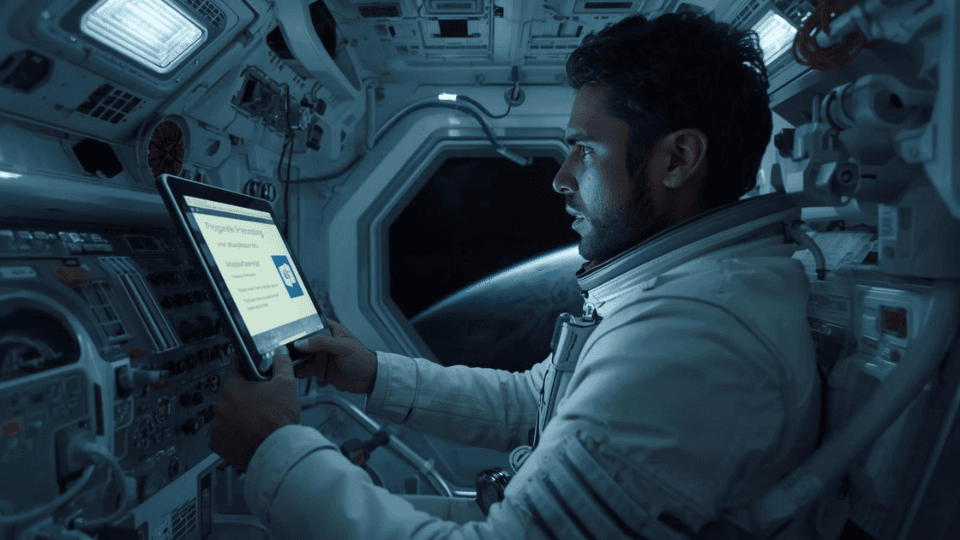
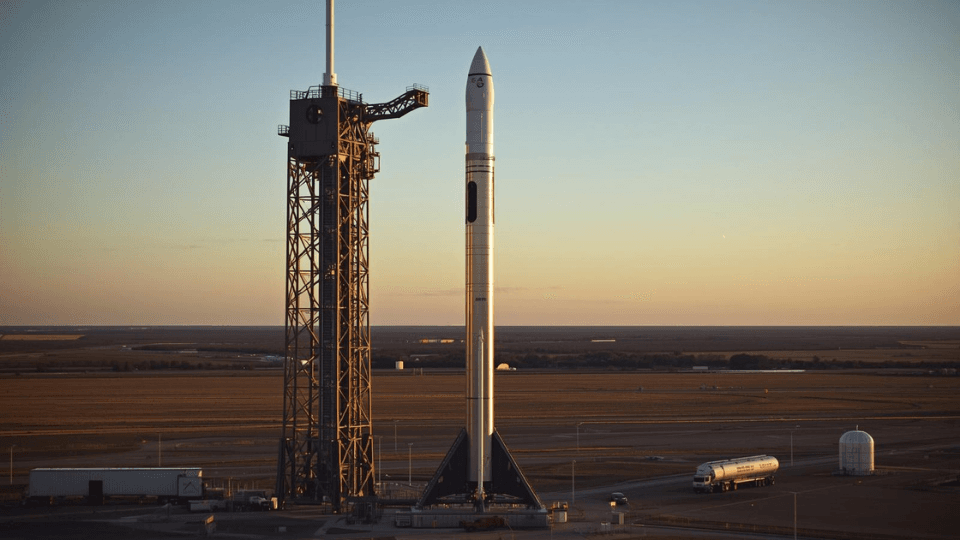
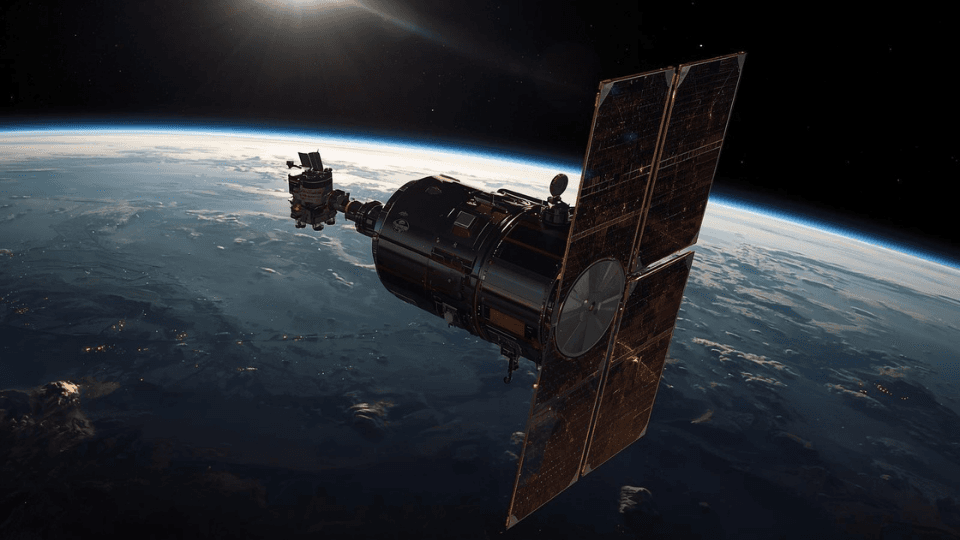
NASA just gave space fans some great news. They are launching the Nancy Grace Roman space telescope in September 2026, which is eight months ahead of schedule. This new eye in the sky will send back a staggering 20,000 terabytes of data to astronomers over its lifetime. To put that in perspective, the famous Hubble Space Telescope only sends back about one or two gigabytes of data each day. We are moving from a steady trickle of space photos to a firehose of information that would drown any human researcher.
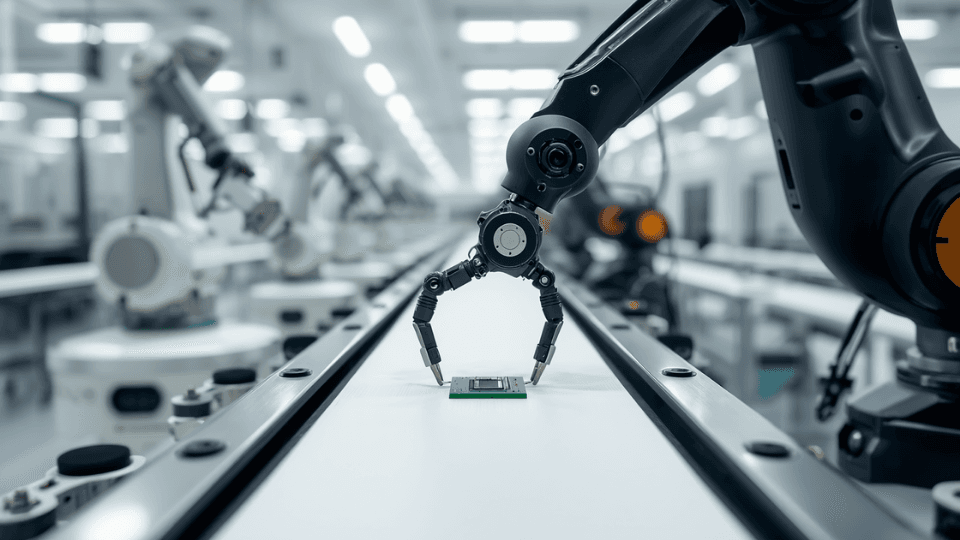
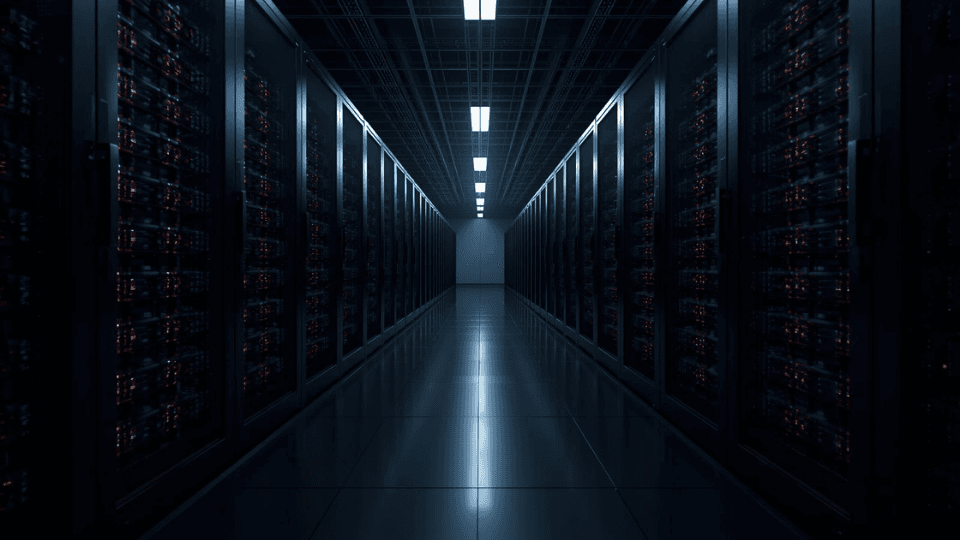
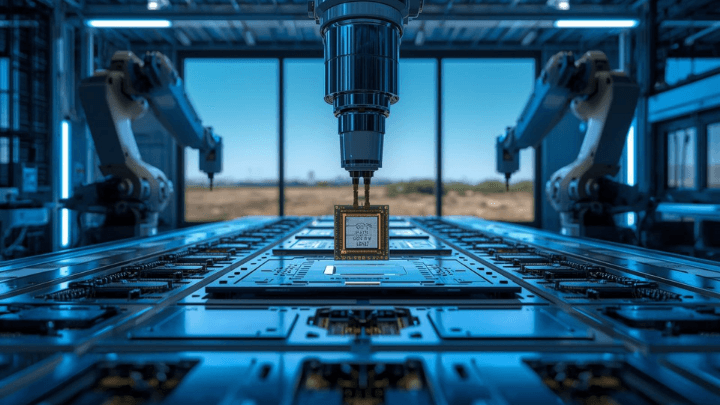
Because the data is so massive, astronomers are ditching old-school methods and turning to the same technology that powers ChatGPT. They are using Graphics Processing Units, or GPUs, to do the heavy lifting. But there is a catch. Everyone on Earth wants these chips right now. From teenagers making deepfakes to giant corporations building AI assistants, the demand for GPUs is through the roof. Now, the people trying to map the universe have to stand in line with everyone else in the global GPU crunch.
From Looking at Stars to Training Models
Brant Robertson, an astrophysicist at UC Santa Cruz, has spent the last 15 years working with Nvidia to bring GPU power to space science. He started by using these chips to simulate supernova explosions. Today, he and his team use a deep learning model called Morpheus to scan through mountain-sized piles of data and identify galaxies. This AI is so good that it found a surprising number of disc galaxies that humans had missed, changing how we think our universe grew.
But even the AI is evolving. Robertson is currently upgrading Morpheus. He is switching its brain from “convolutional neural networks” to the “transformer” architecture used by large language models. This upgrade will let the AI scan areas of the sky several times larger than it can today. It makes the work faster, but it also requires even more computing power. He is even working on generative AI that can clean up blurry photos taken by telescopes on the ground, using software to fix the distortion caused by Earth’s atmosphere.
The Battle for Computing Cash
Getting the chips is only half the battle. You also need the money to pay for them. Robertson used a grant from the National Science Foundation to build a GPU cluster at his university. However, the future of that funding is looking shaky. The current government budget request proposes cutting the NSF budget by 50%. This creates a huge problem for scientists who are already working with limited resources.
Robertson says that researchers have to be “entrepreneurial” to survive. Universities are often slow to change and hate taking risks, so scientists have to go out and prove that AI and GPUs are the only way forward for the field. They are competing for the same hardware that every tech startup in Silicon Valley wants. If the funding dries up, the “galaxy hunters” might lose their seat at the table just as the biggest telescope in history is about to go into orbit.
The stakes are high. If we want to understand where we came from and how the universe works, we need these machines. Space is no longer just about rockets and glass mirrors. It is about data, chips, and the AI that can make sense of it all. As the Nancy Grace Roman telescope gets ready for its big day, the scientists behind it are crossing their fingers that they can keep their servers running long enough to see the stars.